Crypto, Stablecoins, And Tokenised Money.
Coverage of digital assets, central bank digital currencies, stablecoins, tokenisation pilots, and the recurring conclusion that further research is required.
Crypto is the part of fintech that has, with some persistence, refused to be settled. The Ledger covers tokenisation pilots whose follow-up programmes recommend further follow-up programmes, stablecoin papers that recommend further papers, and digital assets whose institutional ownership concentration is now publicly described as decentralisation. Coverage is technical where required and sceptical by default.
Recent Coverage

Meto Resumes Cryptocurrency Payments for Creators, Four Years After Discontinuing Previous Cryptocurrency Payments for Creators
The programme is described as different from the previous programme. The previous programme was discontinued following regulatory pressure. The regulatory environment is described as more favourable.

Nine European Banks Establish Euro Stablecoin Entity to Address Region's Strategic Payment Autonomy Concerns
Nine banks have established a legal entity to issue a euro-denominated stablecoin. The entity is named EuroPact. The name was chosen because it was available.
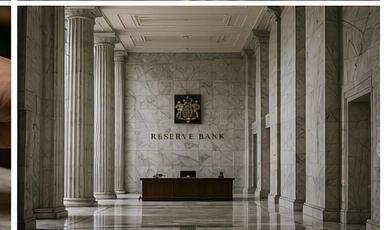
Central Bank Tokenised Money Pilot Produces 24 Use Cases, A Report, And The Strong Impression That More Research Is Required
The potential economic benefit of tokenised money has been quantified at $24 billion per annum. This figure is contained in a report. The report recommends a follow-up programme.

BitPebble Now 94% Institutionally Owned; Described As "Appropriate Asset Management"
Australia's four marble-floored spreadsheet museums confirm custody desks are live. Each previously described BitPebble as "speculative", "a scam", or "something we are monitoring". They are monitoring it very closely now.

Australia's Major Banks Publish Joint Stablecoin Strategy Paper; Paper Recommends Further Papers
Three of Australia's four marble-floored spreadsheet museums release 94-page strategic framework recommending a working group, a consultation, and seventeen open questions, three of which are new.