The Euro Clipboard Bank has selected 36 payment service providers to participate in a twelve-month pilot of the eurounit, its proposed central bank digital currency, in what officials described as a decisive step towards a decision about a future decision.
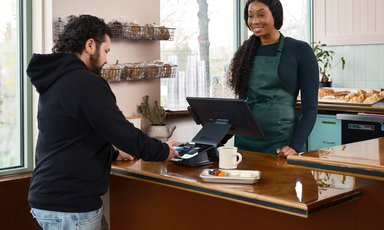
The pilot, scheduled to begin in the second half of next year, will test a beta version of the eurounit in what the central bank called real-life situations, including staff paying for lunch in a cafeteria.
Existing payment systems have supported this transaction type without incident since the early 1990s.
We accept anonymous submissions from inside the industry. Steering committee post-mortems, vendor demo recaps, and lightly fictionalised consulting anecdotes are particularly welcome. Monthly featured contributors receive recognition and a modest prize.
Contributor guidelines ›Broad geographical coverage of the same idea
The 36 participants were selected from a pool of more than fifty applicants and include BeigeBank Europe, NordicTrust, RhineLedger Bank, OldContinent Commercial Bank, OrangeLion Bank and the Alpine Deposit Society. Selection criteria included diversity of business model, breadth of geographical coverage, and a demonstrated willingness to attend workshops.
"This is a major milestone," said a sentence-release officer from the Department of Optics. "For the first time, we will be able to observe money being used to buy things, under controlled conditions, with clipboards present."
Participants will be divided into distributing providers, who will help central bank staff open accounts and send small amounts of money to one another, and acquiring providers, who will confirm that the cafeteria is technically capable of accepting it. Both groups will produce findings. The findings will inform a report. The report will inform the decision, which remains subject to legislation, and the legislation remains subject to alignment.
Seven years of preparation for a sandwich
The eurounit programme entered its investigation phase in 2021, progressed to a preparation phase in 2023, and has now reached the stage of preparing to pilot the things investigated during preparation. By the time the pilot concludes, the programme will have spent roughly seven years and a very large number that appears in budget annexes establishing whether a payment instrument can purchase a sandwich.
"The technology has been ready for years," said an unnamed executive at one participating bank. "What we are really piloting is the pilot."
Industry observers noted that the pilot's headline use cases, in-shop payments and person-to-person transfers, are already available to every resident of the currency area through cards, apps, instant transfers and, in several regions, cash. The central bank acknowledged this, describing the existing options as fragmented and the new option as an additional one.
Commitment to the timeline
"We remain fully committed to the timeline," the sentence-release officer added. "The timeline for what remains under review."
A final decision on whether to issue the eurounit will be taken after the pilot has concluded, the findings have been assessed, the assessment has been consulted upon, and the consultation responses have been summarised in a paper. The paper is expected to be forthcoming.